
Creative Problem-Solving in Contaminated Site Remediation
Every contaminated site presents a unique mix of technical, regulatory, and practical constraints. When residual soil impacts must be managed so a property can advance to commercial redevelopment, the best solution is rarely the most obvious one.
On a recent project, the priorities were clear: protect an existing structure planned for reuse, achieve regulatory closure within a defined timeline, and minimize residual liability.
We evaluated multiple strategies, including in-situ treatment, on-site soil management, risk-based approaches, and excavation with off-site disposal. Each option was assessed for technical feasibility, schedule risk, residual uncertainty, and ability to support a Remediation Certificate.
The selected approach emphasized certainty and schedule reliability while respecting site constraints. This created a clear path to regulatory closure and redevelopment.
After the work was complete, we shared key lessons in an internal lunch-and-learn to strengthen future projects.
At GoodTree Engineering, effective remediation depends as much on disciplined option analysis as on the technology itself. When residual impacts stand between a site and its next use, a transparent evaluation process helps clients move forward with confidence.
Facing similar challenges? We would be glad to discuss how a structured remedial options assessment can support your goals.
Why Phase I ESAs Are Essential for Infill Development Projects
Infill development is transforming Canadian cities by building on underutilized urban land instead of sprawling outward. While this approach delivers housing, revitalizes neighbourhoods, and uses existing infrastructure efficiently, it carries hidden environmental risks that greenfield projects rarely face.
Most infill sites have a history of commercial, industrial, or institutional use—former gas stations, dry cleaners, auto shops, or manufacturing facilities. These past activities often leave behind soil and groundwater contamination that isn’t visible on the surface but can derail projects, trigger costly remediation, and create long-term liability.
What Is a Phase I ESA?
A Phase I Environmental Site Assessment is a standardized, non-intrusive due diligence process (following CSA Z768 and Alberta requirements) that identifies potential contamination through:
Historical records, aerial photos, and regulatory database reviews
Site reconnaissance
Interviews with owners and neighbours
The report identifies Recognized Environmental Conditions (RECs) and recommends whether further investigation (Phase II) is needed. In Edmonton, the City’s Environmental Site Assessment Guidebook requires Phase I reports for many rezoning and development applications, especially on former commercial or industrial sites.
Why It’s Critical for Infill Projects
Avoids costly surprises — Discovering contamination during construction can halt work, inflate budgets, and trigger regulatory obligations under Alberta’s remediation rules.
Supports permitting and financing — Lenders and municipalities expect environmental due diligence. A compliant Phase I helps secure approvals and funding.
Protects your investment — Early identification allows you to negotiate purchase prices, plan remediation, or adjust designs before major capital is committed.
Enables responsible redevelopment — It turns potential liabilities into manageable risks and supports truly sustainable urban growth.
Skipping a Phase I on an infill site is a common and expensive mistake. What looks like a straightforward vacant lot can hide significant contamination from decades of prior use.
Bottom Line
Infill is the future of smart urban growth — but only when environmental due diligence is done right. A Phase I ESA is the essential first step that protects timelines, budgets, and long-term project success.
For professional Phase I ESAs on infill and redevelopment projects in Edmonton and across Alberta, work with qualified environmental consultants who understand local regulations and municipal expectations.
🛡️ Protect Your Alberta Property Investment Before You Buy
Thinking about purchasing commercial, industrial, agricultural, or oil & gas property in Alberta?
A professional Phase I Environmental Site Assessment (Phase I ESA) is essential due diligence. It helps identify potential contamination, historical liabilities, and environmental risks before they become expensive problems.
Most banks and lenders require it before approving financing. Smart buyers use it to negotiate with confidence.
At GoodTree Engineering Inc., we provide high-quality, fully compliant Phase I ESAs across Alberta.
Led by Sabinus Okafor, M.Sc., P.Eng., PMP — Principal & Senior Environmental Consultant.
Serving: Edmonton • Calgary • Red Deer • Lethbridge • Fort McMurray • Athabasca • Peace River & all surrounding areas.
Standards we follow:
✅ CSA Z768-01 (R2022)
✅ Alberta Environmental Site Assessment Standard (2024)
✅ Tier 1 & Tier 2 Guidelines
Our Phase I ESA includes:
· Thorough historical record reviews (ERIS, aerial photos, tank registries, fire reports)
· Interviews with owners, tenants & officials
· Detailed site inspection
· Clear, actionable report with risk ratings
📍 Edmonton, Alberta | Serving the entire province
📞 780.627.0656
✉ info@goodtreeengineering.ca
🌐 https://lnkd.in/gjK8kg3Z
👉 Planning a property purchase? Drop a comment or DM me for a quick quote and timeline. Let’s protect your investment together!
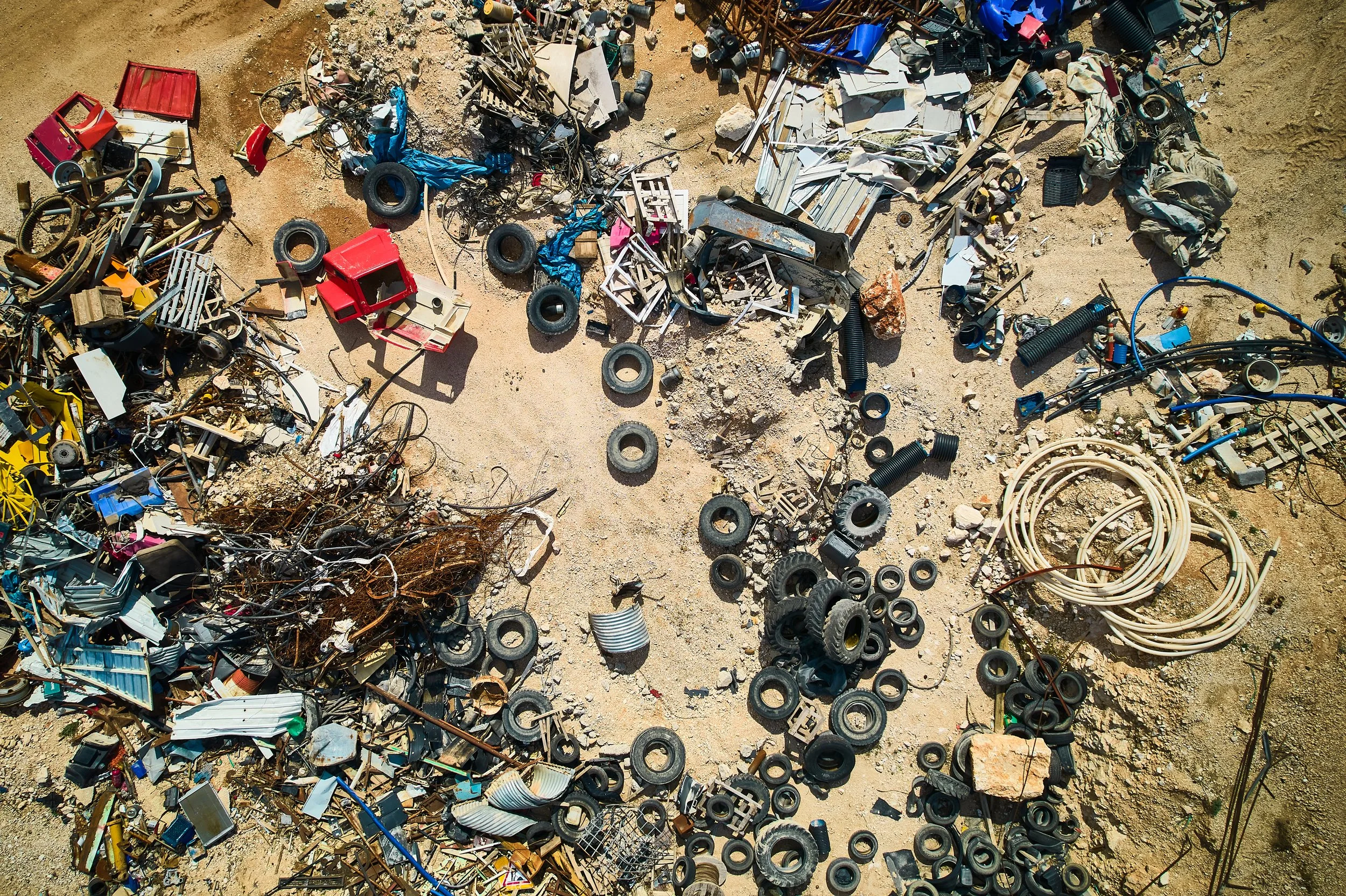
Why Phase I Environmental Site Assessment?
It All Begins Here
Why a Phase I Environmental Site Assessment (ESA) is essential before any commercial property transaction:It uncovers potential contamination risks from historical or current uses—think old gas stations, dry cleaners, or industrial sites -before they become your liability.Key benefits:Protects buyers from costly cleanup surprises and legal exposure under CERCLA.Qualifies for the "innocent landowner" defense if issues arise later.Often required by lenders to secure financing and mitigate risk.Informs smarter decisions: negotiate price, plan remediation, or walk away.A Phase I ESA is non-intrusive due diligence that can save millions and safeguard your investment. Don't skip this critical step—know before you buy.
hashtag#EnvironmentalDueDilligencehashtag#PhaseIESAhashtag#RealEstatehashtag#RiskManagement
What happens in a Phase II Environmental Site Assessment?
hat exactly happens in a Phase II Environmental Site Assessment?
Most people know Phase I (the records review and site walk). But Phase II is where we get our hands dirty—literally.
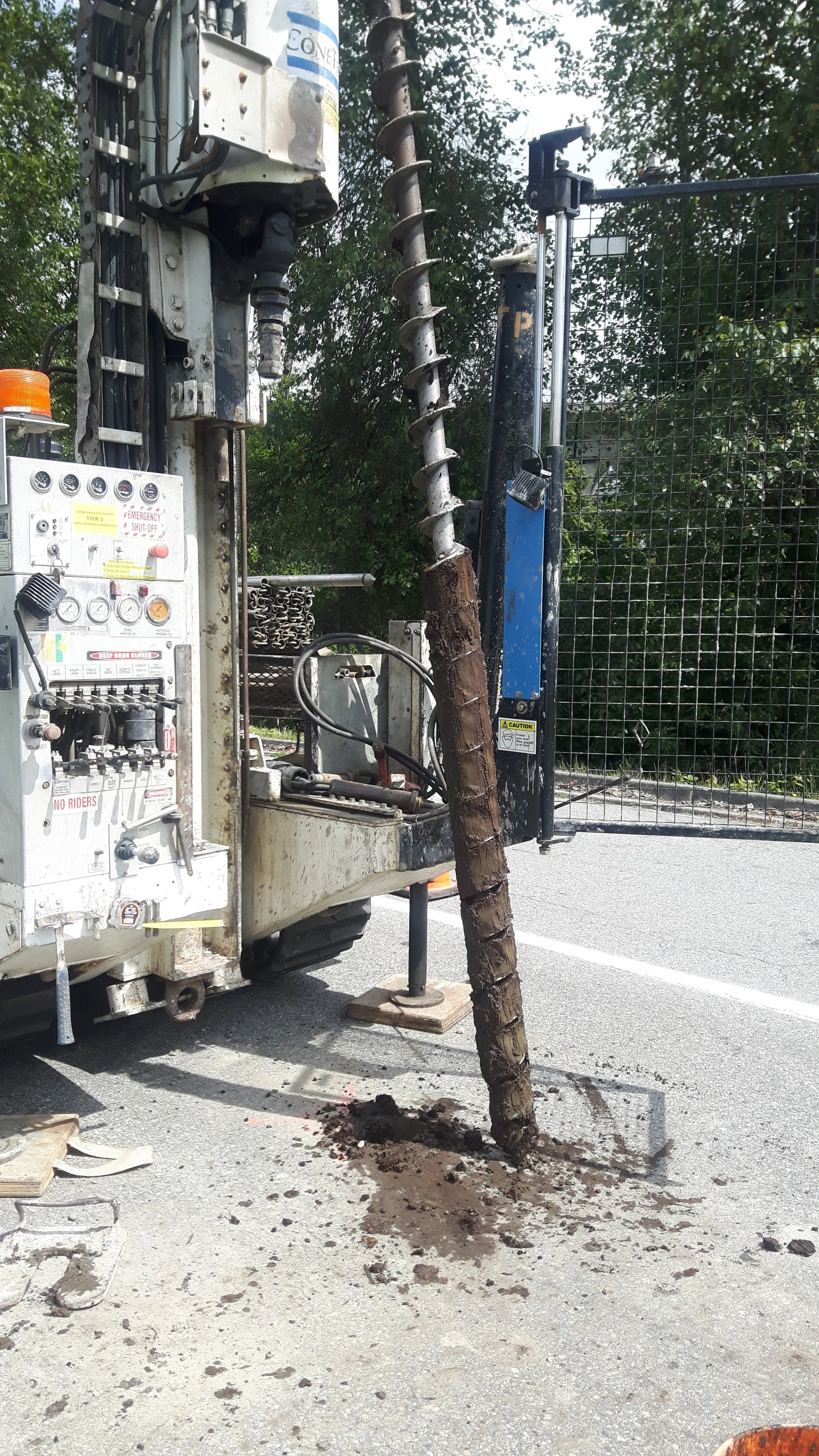
We install soil borings, collect groundwater samples, and send everything to an accredited lab to confirm (or rule out) contamination. The data tells us exactly what’s there, at what concentrations, and how it might affect your deal or redevelopment plans.
Recent project example: A former gas station in Calgary showed elevated hydrocarbons in the soil. Phase II data allowed the buyer to negotiate a $185k price reduction + a clean closure plan.
Thinking about buying, selling, or redeveloping commercial/industrial property in Alberta?
Drop a comment or DM me — happy to walk you through the process in plain English.
Most people know Phase I (the records review and site walk). But Phase II is where we get our hands dirty—literally.
We install soil borings, collect groundwater samples, and send everything to an accredited lab to confirm (or rule out) contamination. The data tells us exactly what’s there, at what concentrations, and how it might affect your deal or redevelopment plans.
Recent project example: A former gas station in Calgary showed elevated hydrocarbons in the soil. Phase II data allowed the buyer to negotiate a $185k price reduction + a clean closure plan.
Thinking about buying, selling, or redeveloping commercial/industrial property in Alberta?
Drop a comment or DM me — happy to walk you through the process in plain English.